


As a long - standing kiddie rides supplier, I've had the privilege of witnessing the evolution of materials used in the manufacturing of these delightful amusements. Over the years, advancements in technology and a growing emphasis on safety and durability have led to the use of a variety of materials. In this blog, I'll explore the most common materials used to make kiddie rides and how they contribute to the overall quality and experience of these attractions.
1. Plastic
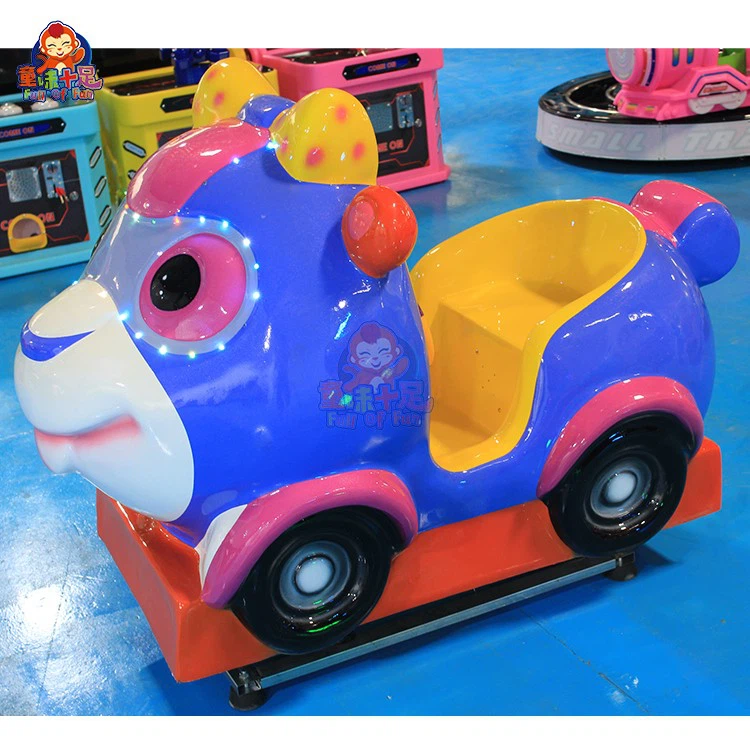
Plastic is perhaps the most ubiquitous material in the world of kiddie rides. Its popularity stems from several key advantages. Firstly, plastic is lightweight, which makes it easy to transport and install kiddie rides. This is especially important for mobile or portable rides that may need to be set up in different locations regularly. For example, our Joy Rabbit Coin Operated Kid Ride Car features a plastic body that not only reduces the overall weight but also gives it a bright and colorful appearance that kids love.
Secondly, plastic is highly customizable. It can be molded into almost any shape, allowing for the creation of unique and imaginative kiddie ride designs. Whether it's a cute animal - shaped ride or a futuristic spaceship, plastic can bring these concepts to life. Additionally, plastic can be easily painted or printed on, enabling the addition of vibrant graphics and patterns that enhance the visual appeal of the rides.
Another significant benefit of plastic is its resistance to corrosion and weathering. Kiddie rides are often exposed to the elements, especially those located outdoors. Plastic can withstand rain, sunlight, and humidity without deteriorating quickly, ensuring a longer lifespan for the rides. However, it's important to note that not all plastics are created equal. High - quality, UV - resistant plastics are preferred to prevent fading and cracking over time.
2. Metal
Metal is another essential material in kiddie ride construction, particularly for structural components. Steel and aluminum are the most commonly used metals due to their strength and durability. Steel is known for its high tensile strength, which makes it ideal for supporting the weight of the ride and ensuring its stability. For instance, the frames of many large - scale kiddie rides, such as multi - seat carousels or large - sized electric cars, are made of steel.
Aluminum, on the other hand, is lighter than steel while still offering good strength. It is often used in parts where weight reduction is crucial, such as in the arms of some swing - type kiddie rides. Aluminum is also resistant to rust, which is a major advantage, especially for rides that are used outdoors. Our Kids Coin Operated Mini Electric Swing Car uses aluminum components in its structure to provide a balance between strength and lightness, allowing for smooth and efficient operation.
However, working with metal requires specialized skills and equipment. Metal parts need to be properly welded, painted, or coated to prevent corrosion and ensure a safe surface for children. Additionally, metal can be more expensive than plastic, which may impact the overall cost of the kiddie ride.
3. Rubber
Rubber plays a vital role in kiddie rides, primarily for safety and comfort. It is commonly used in tires, grips, and padding. Rubber tires provide better traction, which is essential for rides that move on the ground, such as electric cars or small - scale scooters. The traction helps prevent slipping and ensures a smooth and stable ride for the children.
In terms of grips, rubber is used on steering wheels, handles, and footrests. Its soft and non - slip surface allows kids to hold on firmly, reducing the risk of accidents. For example, the steering wheel of our Kids Blue 2 - Player Arcade Shooting Game Machine is covered with rubber to provide a comfortable and secure grip for the players.
Padding made of rubber or rubber - like materials is also used in areas where children may come into contact with the ride, such as seats and backrests. This padding helps absorb shock and provides a more comfortable sitting experience. It also adds an extra layer of safety by reducing the impact in case of sudden stops or bumps.
4. Wood
Although less common than plastic, metal, and rubber, wood still has its place in kiddie ride manufacturing. Wood is often used for decorative purposes or in the construction of more traditional - style rides. It can add a warm and natural touch to the rides, creating a cozy and inviting atmosphere.
For example, some small - scale wooden rocking horses or carousels feature wooden frames and seats. Wood can be carved and shaped to create intricate details, giving these rides a hand - crafted and artisanal look. However, wood requires proper maintenance to prevent rot, warping, and insect damage. It needs to be treated with preservatives and painted or varnished regularly to keep it in good condition.

5. Foam
Foam is commonly used in kiddie rides for padding and cushioning. It is a soft and lightweight material that provides excellent shock absorption. In rides like bouncy houses or indoor play structures, foam is used to line the floors and walls to protect children from injuries in case of falls.
Foam can also be used in the seats of some kiddie rides to enhance comfort. It can be shaped to fit the contours of the seat, providing a snug and supportive sitting position. Additionally, foam can be covered with fabric or vinyl to make it more durable and easy to clean.
Factors Influencing Material Selection
When choosing materials for kiddie rides, several factors need to be considered. Safety is, of course, the top priority. All materials used must meet strict safety standards to ensure the well - being of the children. This includes being non - toxic, free of sharp edges or small parts that could pose a choking hazard.
Cost is another important factor. Suppliers need to balance the quality of the materials with the cost of production to offer competitive prices to customers. The intended use and location of the kiddie rides also play a role. Rides that will be used outdoors require materials that can withstand harsh weather conditions, while indoor rides may focus more on aesthetics and comfort.
In conclusion, the combination of these materials - plastic, metal, rubber, wood, and foam - allows for the creation of a wide range of kiddie rides that are safe, durable, and appealing to children. At our company, we are committed to using high - quality materials in all our products to ensure the best possible experience for kids and peace of mind for parents.
If you're interested in purchasing kiddie rides for your amusement park, shopping mall, or other entertainment venue, we'd love to discuss your specific needs. Our team of experts can provide you with detailed information about our products, including the materials used, and help you choose the perfect rides for your location.
References
- ASTM International. (20XX). Standard consumer safety specification for toys.
- National Safety Council. (20XX). Safety guidelines for amusement rides.
- Plastic Industry Association. (20XX). Plastics in the amusement industry.